Bu Blogda Ara

İzleyiciler

Sayfalar

Beyoğlu etiketine sahip kayıtlar gösteriliyor. Tüm kayıtları göster

13 Şubat 2012 Pazartesi

Kumbaracı Yokuşu / Kumbaracı Ramp


  KUMBARACI RAMP  

There’s a district in the city with seven hills that has more hills and staircases than you can shake a stick at. Of course, this is none other than Beyoğlu, which, by the way, is home to 336 hills and sets of stairs. It is the right address to get lost on the city streets and follow the traces of time. 

With one end going down to Tophane and the other stretching to İstiklal Street, Kumbaracı Ramp is one of the more well-known streets here. Having preserved its traditional neighborhood atmosphere, today’s residents are mostly from Bitlis, Siirt, Çorum, Erzincan, Giresun and Rize, as well as families from many other places around the country … In addition, it is also home to Arabs, Britons, French and African immigrants. Striking for its multi-ethnicity, this street embraces people like Pera did in other eras. 

Derived from the name ‘Humbaracı Ahmet Pasha’, the people gradually turned it into ‘Kumbaracı Ramp. Humbaracı Ahmet Pasha’s real name was Count de Bonneval. This French stateman was the one who first incorporated European-style innovations in the Ottoman Army. Though he constantly felt a longing for his motherland, he was also very fond of İstanbul. This is how he espressed his love for İstanbul and Turks in his diary:

“İstanbul is the land of shiny lights and wonderful fragrances. The Bosphorus is a long piece of blue lace that strains these lights and scents coming from Asia to Europe and vice-versa…”
Without a doubt, this city is a corner of paradise. However, it doesn’t make me forget about France. For a clever and competent man, İstanbul is an intellect who promises everything. There is fame and fortune. However, it cannot wretch all these things from my heart for the sake of the land. I remain here with these. That’s because I love the Turks. They are peerless people who deserve this piece of paradise. They have a modesty in their creation that is not found in angels. I’m afraid of forgetting my motherland amidst these great-spirited people. The motherland is saintly but so are the Turks.”

Once upon a time, Kumbaracı Ramp was a street where noble French people, like its namesake Humbaracı Ahmet Pasha used to live. Amongst the French who live on this street back then whose names we were able to find were; the owner of the telegraph agency, Le Count Beravaşka; the director of the German Bank, Pala Dur Joseph; the chief bookkeeper of the Galata Rıhtım Company, Arlot Ojer Sezar and a staff member at Credit Lyonnais, Camile Fransuva. These people were exiled to different places around the country as their native countries acted in defiance of the Lahey Treaty of World War I. Melancholy befell the hill as the foreign part of the community departed İstanbul between 1919-21. 

These days, the hill has a kind of childish joy to it. There are kids playing ball and various games on this famous hill of Beyoğlu. A photo exhibit comprised of images of the surroundings streets, as well as those who ventured up the hill. 

Stretching from İstiklal Street to Tophane, this hill is a corridor blended with a neighborhood atmosphere, intertwined in city life as a gate that opens from the latest trends to back in time. If you ever happen to encounter this hill, slow down a bit and let your eyes behold a social and structural texture that is rarely encountered elsewhere in İstanbul. Perhaps in this manner, you’ll have the opportunity to look through a completely different window, like children. Who knows, maybe a ball that the kids are playing with will roll to your feet and you’ll score a goal that will knock all your worries away …


 KUMBARACI YOKUŞU 

Yedi tepeli bu şehrin bir semti var ki orada düz sokaktan çok yokuş ve merdiven var. Burası tabiî ki Beyoğlu’ndan başka bir yer değil. Toplamda 336 tane yokuşu ve merdiveni olan Beyoğlu, bu şehrin sokaklarında kaybolup, zamanın izlerini sürmek için doğru adres.

Bir kolu Tophaneye diğer kolu İstiklal Caddesine uzanan, Kumbaracı Yokuşu, bunlar arasında en fazla adı duyulanlar arasında yer alıyor. Geleneksel mahalle atmosferini bu güne kadar koruyabilmiş bu yokuşun şimdiki sakinleri, Bitlis, Siirt, Çorum, Erzincan, Giresun ve Rize ağırlıklı olmakla beraber, ülkenin pek çok yerinden gelen aileler… Bunun dışında Araplar, İngilizler, Fransızlar ve Afrikalı göçmenlere de ev sahipliği yapıyor. Çok kültürlülüğüyle dikkat çeken bu sokak, insanlarını tıpkı bir dönemlerin Pera’sının yaptığı gibi kucaklıyor.

Adını Humbaracı Ahmet Paşa’dan alan yokuş, zamanla halk dilinde Kumbaracı Yokuşu’na dönüşmüştür. Humbaracı Ahmet Paşa’ysa asıl adı Kont de Bonneval olan aslen Fransız kökenli, Osmanlı İmparatorluğu’nda askeri sahadaki Avrupa tarzı ilk yenilik uygulaması başlatan devlet adamıdır. Ülkesi olan Fransa’ya duyduğu vatan hasretini her dem hissetmekle beraber, bir İstanbul aşığıdır. İstanbul’a ve Türkler’e olan sevgisini güncesinde şöyle ifade eder:

“İstanbul, pırıltılı ışıklar ve güzel kokular diyarı. Bosfor, Asya’dan Avrupa’ya ve Avrupa’dan Asya’ya akıp gelen bu ışıkların ve kokuların, mavi dantelden yapılmış uzun bir süzgeci. Koridor, iç liman, bosfordan beriye geçen güzelliklerin son yıkandıkları havuz. Bu şehir, şüphe yoktur ki cennetten bir köşedir. Fakat bana Fransa’yı unutturamıyor. İstanbul, zeki ve iş bilen bir adam için, her şeyi vaat eden bir alim. Burada şan var, servet var. Lakin kazanılan bütün bu şeyler yüreğimden yurt aşkını söküp atamıyor. Bununla beraber burada kalıyorum. Çünkü Türkleri seviyorum. Onlar cennetten bir köşe olan bu eşsiz memlekete yakışan, eşsiz insanlar. Yaradılışlarında ise meleklerde bulunmayan bir mahviyat (alçak gönüllülük) var. Bu büyük ruhlu milletin arasında vatanımı unutmaktan korkuyorum. Vatan aziz ve pek aziz. Lâkin Türk de aziz ve çok aziz”.

Geçmiş dönemde Kumbaracı Yokuşu, özellikle adını taşıdığı Humbaracı Ahmet Paşa gibi, itibarlı Fransız asıllı kimselerin oturduğu bir sokaktır. O dönem, bu sokakta ikamet eden ve isimlerini bulabildiğimiz Fransız asıllı isimler; telgraf ajansı sahibi, Le Kont Beravaşka; Alman Bankası direktörü; Pala Dur Joseph; Galata Rıhtım Şirketi’nin baş muhasebecisi, Arlot Ojer Sezar ve Kredi Lyone Bankası memuru, Kami Fransuva’dır. Bu isimler, uyruklarının bulunduğu devletlerin Birinci Dünya Savaşı’nda Lahey Sözleşmesi’ne aykırı davranmaları nedeniyle, Kumbaracı Yokuşu’ndan ülkenin farklı yerlerine sürgün edilirler. 1919-21 yılları arasında, yokuşa ayrılıkların verdiği hüzün çöker.


Şimdilerde yokuşun genelinde bir çocuk neşesi hakim. Sıklıkla top oynayan, Beyoğlu'nun bu ünlü yokuşuna çeşitli oyunlarıyla tat katan çocuklar, geçtiğimiz yıllarda bir fotoğraf sergisi düzenleyerek, sokaklarına ve çevrelerine bakışlarını, yokuşa yolu düşenlere sergilediler.

İstiklal Caddesi’nden Tophaneye uzanan bu yokuş, mahalle atmosferiyle harmanlanmış bir koridorun, son trendlerden tarihe açılan bir kapısının şehir yaşantısında vücut bulmuş halidir. Bu yokuşa yolunuz düştüğünde, temponuzu biraz yavaşlatarak, İstanbul’da nadiren kalan sosyal ve yapısal dokuya gözlerinizin dokunmasına izin verin. 

Belki siz de bu şekilde çocuklar gibi bambaşka bir pencereden bakma şansına sahip olursunuz; kim bilir çocukların oynadığı top ayağınıza gelir, tüm dertleri savururcasına bir gol atarsınız hayata…

11 Şubat 2012 Cumartesi

İPEKTEN FİLM ŞERİDİ / A SILKEN FILM STRIP


  BEYOĞLU’NDAN İPEKTEN BİR FİLM ŞERİDİ GEÇTİ  

Bundan yıllar önce, televizyon bin bir kanalla yaşam alanlarımızı işgal etmeden evvel; hayaller, sinemanın beyaz perdesinden yüzlere yansırdı. Hayat adeta sinemadan öğrenilirdi. Bazıları için hayat sinemada yaşanırdı. Kimi Beyoğlu salonlarında, kimi açık hava sinemalarda. O zamanlar sinema perdesindeki hayatları canlandıran sanatçılar, sere serpe hayatlar yaşamaz, her birine saygı ve sevgi beslenilirdi. Peş peşe oynatılan filmlerden daha önce, tatil günlerinin en güzel eğlencesiydi, sinemaya gitmek. Hele ki Beyoğlu’nda…

Dışarıdan gelen birçok yenilikler gibi, sinemaya da ilk ev sahipliğini Beyoğlu yapmıştır. Beyaz perdeye yansıyan oyunlar, bizim kültürümüz için bir ilk değildi. Şüphesiz, Karagöz- Hacivat oyunları yüzyıllardır, başka türlü de olsa yine beyaz bir perdeden aksediyordu izleyicilerin gülen yüzlerine. Sonrasında ise özellikle İstanbul’da büyülü fener ve optik tiyatro gösterileri yer almıştı. Sinemanın ülkeye girmesinden evvel gerçekleşen bu gösteriler de, genellikle Beyoğlu salonlarında olurdu.

 İPEKTEN FİLM ŞERİTLİ GÜNLER 

Bin dokuz yüzlerin başlarında ise, ipekten bir film şeridi geçmeye başladı Beyoğlu’ndan.
Türkiye’de sinema yapımcılığına ön ayak olmuş bir aile; İpekçi ailesi, İstanbul’da kuracağı yapım şirketi ile Türk sinemasında önemli adımlar atmaya başlamıştı. 1901 Selanik doğumlu İhsan İpekçi, henüz on dokuz yaşındayken, aile geleneği ipek ticareti yerine sinema filmlerini getirmeye başladı. İleriki yıllarda işinin farklı alanlarına da soyunan İpekçi, o dönemin şartları açısından ileri görüşlülük olarak nitelendirilebilecek, bir öngörüde bulunmuştu.1928 yılına gelindiğinde, kardeşi Kani İpekçi ile İpek Film şirketini kurdular. Ülke, Cumhuriyetin emekleme dönemini yaşamakta, halk ise yeni geride bıraktığı ve ağır bedeller ödemek zorunda olduğu I. Dünya Savaşı’nın yaralarını sarmaktaydı. Kuşkusuz o dönem, hiçbir medeniyet, henüz tam bir refah düzeyi ve zenginliğe ulaşabilmiş değildi. Yine de sanatçıların söyleye geldikleri o ünlü lafı, İhsan İpekçi kendine şiar edinmiş olsa gerek; şov devam etmeliydi. İnsanların filmlere ve hayallere ihtiyaçları özellikle zor dönemlerde daha da bir artar. Sinema, çekim, montaj, dublaj ve oyunculuk gibi her biri ustalık ve titiz bir çaba gerektiren, pahalı tekniklerden oluşan yedinci sanat, o yılların koşulları altında epey cesaret isteyen bir işti şüphesiz. İpekçilere etraftan çılgın gözüyle bakıldığını duyumsamak işten bile olmasa gerek.  Ancak ilerleyen yıllarda, nefesler tutulmuş, yaşlar yanaklardan süzülmüş ve sinema salonları yüz binlerle buluşmuş olduğunda, bu cesaretin meyvesi de alınmıştı.

 MUHSİN ERTUĞRUL’UN SİNEMA SAHNESİ 

İpek Film’in yapımcılığını üstlendiği filmlerde Muhsin Ertuğrul’un çok önemli bir yeri vardır. Türk tiyatrosu kadar, sinemasının da öncü ismi Muhsin Ertuğrul’un öncülüğünde ilk olarak 1928’de Kemal Film kurulmuş, ancak geçirilmekte olan zor yıllar ve ağır ekonomik koşulların da etkisiyle uzun yıllar ayakta kalmakta zorlanmıştı.  Ancak İpekçiler, Muhsin Ertuğrul’un ihtiyaç duyduğu ödenek ve vizyonu sağlayarak, yıllar boyunca Türk sinemasına birçok film kazandırdılar. Muhsin Ertuğrul, adeta İpekçi ailesinin yönetmeniydi. 1931 yılında İstanbul Sokakları filmi ile ilk Türk ortak yapımı sesli filme beraberce imza attılar (Mısır- Türk- Yunan ortak yapımı). Başrollerde Semiha Berksoy, Talat Artemel gibi Türk oyuncular olmasının yanı sıra, Mısırlı ve Yunanlı oyuncular da filmde rol üstlenmişlerdi. Teknik yetersizlikler nedeniyle, filmin seslendirme işlemi Paris'teki Espinay stüdyolarında yapılıp, İstanbul’a getirilmişti. İstanbul Sokakları isimli filmin topladığı büyük ilginin ardından, İhsan İpekçi önemli bir karar daha alarak, ilk Türk ses stüdyosunu da Nişantaşı’nda kurmuştu. Bu filmle Türk sinemasında dönemin önemli ses sanatçılarının, beyaz perde ile akrabalıkları başlamış, sonrasında çekilen filmlerde de genellikle şarkılara önemli yerler verilmişti. İstanbul Sokakları’nda filmi, daha sonra 1964 yılında yeniden çekilerek, Cüneyt Arkın ve Filiz Akın’ın başrolleriyle beyaz perde de tekrar hayat buldular.

 İKİ MELEĞİN KORUMASINDAKİ SİNEMA 

İpekçilerin film yapımcılığını anıp, sinema salonu işletmeciliği anmamak olmaz. Beyoğlu’nun en eski sinema salonları olan Emek, Fitaş, Beyoğlu gibi köklü salonların da uzun yıllar işletmeciliğini yürütmüştü aile. Tarihi Emek sineması, bugün İstanbul Festivali başta olmak üzere ulusal ve uluslar arası film festivallerine,  ev sahipliği yapıyor. Bu görevini üstlenirken, salonların geçmişinden günümüze taşıdığı izleri görmek mümkün. Bütün eski salonların arasında Emek Sineması’nın biraz farklı bir konumu var. Bu salon İstiklal Caddesi üzerinde değil,  Yeşilçam sokağı içindedir.  Müdürü, biletçisi, yer göstericisi, yani değişmeyen çalışma takımı ile senelerdir beraber yürüyor, film şeridinin üzerinde. Salonun senelerdir değişmeyen kendine has kokusu sizi karşılıyor, tıpkı seneler önce İpekçi ailesini karşıladığı gibi. En güzeli de anneniz, babanız, dedeniz ve ninenizin de bugün oturulan salonlarda bulunmuş olabileceği bir yer; Emek sineması. Bu sinema ismini, ilk olarak dış cephesinde bulunan art neouvo tarzındaki iki melek kabartmasından almıştı. Dış cephesindeki süslemeleri, binanın içinde, tavan, balkon fuaye kısımlarındaki süslemeler takip eder.
Locaları, balkonları, ön sıraları ile İpekçilerin zamanında daha bir naifti sanki bu salonlar. Salonun perdeye yakın koltuklarına, birinci bölüm adı verilir ve en zor da o koltuklar satılırdı. Salonda yer kalmayınca, dolan bu ön koltuklardan filmi izlerken, bilete bir miktar daha az para verilse de, film takip edilecek diye, boyunda mayhoş bir ağrı oluşurdu.
İpekçilerin bir dönem işletmeciliğini üstlendiği diğer salon ise, Fitaş salonudur. O dönemde özellikle az bulunan yabancı malların satıldığı, şaşalı pasajın içindeki yeri ile Fitaş da aynı derecede saygın bir salondu. Özellikle pasajın içinde salona doğru gidilirken, önünden geçilen ayakkabı mağazalarının vitrinleri göz kamaştırırdı. Özellikle yüksek altlı, lord tipli modeller kendini izleyenleri pek bir hayran bırakırdı.
İpek Film’in yapımcılığını üstlenmediği yabancı filmlerin genellikle bir ya da bilemediniz iki kopyası olurdu sadece. Bunlar da Beyoğlu’nun gözde sinemalarında perde alırlardı ilk olarak. Yeni filmler de diğer yenilikler gibi şehre ilk Beyoğlu’ndan giriş yaparlardı. Daha sonra getirilen film Harbiye, Pangaltı, Osmanbey sinema salonlarına geçerdi.

 TİYATRODAN SİNEMAYA 

İpek Film yapımı filmlerin vazgeçilmez yönetmeni denince, akla hemen gelen isim; Muhsin Ertuğrul. Ertuğrul, tiyatroya verdiği büyük emeğinden, sinemanın etkilenmemesi pek mümkün olamazdı. Bu yüzden ilk filmlerde tiyatronun soluğu hissedilirdir. O dönemin sinemasında konu ve malzeme olmuş bir diğer önemli kaynak da batı filmlerinden ve edebiyat klasiklerinden uyarlamaydı. Dönemin iyi ve öncü tiyatro oyuncuları, İpek Film stüdyolarından sık sık geçerek, beyaz perdeden daha geniş halk kitlesine ulaşabiliyorlardı. İpek Film'in çektiği ilk filmler, Cumhuriyet’in batılılaşma ve modernleşme projesiyle paralel seyir izlemekteydi. Mısır filmleri akımının etkisiyle, ünlü şarkıcıları başrol oyuncusu olarak oynatma geleneği de İpekçilerle başlar. Muhsin Ertuğrul'dan sonra filmlerin içeriği değişiyor. 1950'lerde ise tarihi filmlere ağırlık verirler.


 ÜLKESİNE DEĞER KATAN BİR AİLE 

İpekçi ailesi, Türkiye’de filmcilik dışında da önemli isimler yetiştirebilmiş. Ailenin hemen hemen bütün bireyleri Robert Kolej, Saint Michel, Galatasaray Lisesi gibi özel okulların yanı sıra çoğunlukla yurt dışında eğitim almışlar. İş alanlarında olduğu gibi hayat tarzı olarak da batılı yaşam tarzında yaşamış bir aile. İsmail Cem, Abdi İpekçi gibi önemli isimler de aile mensuplarından. Özellikle Abdi İpekçi, Türkiye’de gazeteciliği, meslek ilkeleri üzerine oturtmaya kendini vakfetmiş değerli bir gazeteciydi. Geçmiş dönem çocukların başta olmak üzere, yetişkinlerin de severek izlediği Laurel – Hardy tiplemesine İhsan İpekçi’nin kuzenleri ses verirler..

İpek Film, hayalleri artık beyaz perdeden bize aksettirmiyor. Sinema salonları, yeni işletmecilerine çoktan devrolmuş. Ne ki, Beyoğlu’ndan ipekten bir film şeridi geçti gitti yıllarca. Aşklarla, ayrılıklarla, özlemlerle hüzünlendi koskoca bir şehrin insanları, gözleri yaşlandı zaman zaman. Ayhan Işık’la güldü, Belgin Doruk’la şarkılar söyledi. Hayallere daldı gitti İstanbullular, ellerinde buz gibi Frigolar, Çamlıca gazoz şişeleri ayak diplerinde… Ülkenin hatta dünyanın kararmış günleri oldu, şen günleri olduğu gibi. O kara günlerde de yine çıkıldı Beyoğlu’na, o güzelim sinema salonlarında bir koltuğa yerleşildi birkaç saatliğine. Her şey, gerçek hayat salon kapılarının dışında bırakıldı. İpek Film’le yıllarca hayallerin renkli dünyasında buluştu insanlar.


 A SILKEN FILM STRIP ROLLED THROUGH BEYOĞLU 
 
Once upon a time, before 1001 television channels invaded our lifestyles, there was cinema which once reflected onto people’s face from the silver screen. Practically everything you wanted to know about life was learned in the cinema. For some, life was lived in the cinema, some in the theaters of Beyoğlu, some at outdoor theathers. Back then, the artists playing the roles of the lives on the movie screen wouldn’t lead floozy lives, but would be natured with respect and love. Films used to be shown one after another in lickety-split fashion. This was the funnest entertainment, to go to the movies. Those in Beyoğlu were especially memorable…

Just like many innovations that came from abroad, cinema was first shown in Beyoğlu. Plays reflecting on the silver screen were not a first in our culture. Undoubtedly, the Karagöz- Hacivat shadow-plays had been reflecting onto spectators’ faces from a white screen, though a different type, for hundreds of years. Later on, there were spellbinding torch and optical illusions theater shows, especially in İstanbul. These were held prior to when cinema first arrived in our country and generally shown in salons in Beyoğlu.


 BEYOĞLU’S FILM STRIP DAYS FROM İPEK  
 
At the start of the 20th century, a silken strip began to pass through Beyoğlu. A family that got film making off the ground in Turkey, the İpekçi family initiated an important step in Turkish cinema with a production company they established in İstanbul. Born in Thessalonica in the year 1901, İhsan İpekçi opted to bring cinema films into the country rather than going into the family’s silk business. İpekçi, who got involved in various fields in later years, made a startling forecast. At the start of 1928, he and his brother Kani İpekçi founded the İpek Film Co. The country was going though its formative years at the time, whereas the people were forced to pay the heavy price of 10 years of constant wars. Without a doubt, there wasn’t a society that had achieved full affluence. 


Then again, there was that famous line that all the artists said all the time, and that İhsan İpekçi must have incorporated as a principle and that was “The Show Must Go On.” 
The people’s need for films and dreams would increase even more especially during difficult periods. Cinema was considered the seventh art, comprised of expensive techniques in shooting, editing, voice-over and acting, each requiring great amounts of proficiency and fastidiousness. Without a doubt, it was a business that required a lot of courage considering the conditions of those years. It was impossible not to sense the crazy looks that the İpekçi family was getting from everyone around them.  However, this courage had reached fruition in the years ahead, when hundreds of thousands of movie-goers filled the cinema halls, holding their breaths with tears streaming down their cheeks.
 
 MUHSİN ERTUĞRUL’S CINEMA STAGE 
 
Muhsin Ertuğrul holds a very important place in the films that were produced by İpek Film. First there was Kemal Film which was established in 1928 with the assistance of Muhsin Ertuğrul, who was a pioneer in both cinema as well as on stage. However, because of the Gret Depression, Kemal Film had a tough time staying business for many years. However, İpekçiler paid Muhsin Ertuğrul the money he needed and with the forward thinking vision, made several films together. Muhsin Ertuğrul practically directed the İpekçi family. In 1931, they made a joint Greek-Turkish-Egyptian venture they made the first talkie called ‘İstanbul Sokakları’ (İstanbul Streets). Along with Turkish film stars such as Semiha Berksoy and Talat Artemel in the starring roles, there were also Greek and Egyptian stars as well. Due to insufficient technical support, the dubbing business was conducted at the Espinay Studios in Paris and then brought to İstanbul. 


On the heels of the major interested garnered in the film called ‘İstanbul Sokakları,’ İhsan İpekçi gambled on another decision by setting up Turkey’s first sound studio in Nişantaşı. Thus Turkish films gave the opportunity of principal local vocal talents of the time to begin their soiree with the silver screen, with subsequent coverage given to their songs in films produced later on. In the film ‘İstanbul Sokakları’, which was remade in 1964, Cüneyt Arkın and Filiz Akın revived their careers on the silver screen in this film in which they played the starring roles.
 
 MOVIES UNDER THE WING OF TWO ANGELS 
 
Commemorating the İpekçi’s film production while not doing the same for their movie theater management would be unfair. For many years, this family undertook the management of Beyoğlu’s oldest movie houses such as Emek, Fitaş and Beyoğlu. The historical Emek movie house hosts a number of national and international festivals, including the İstanbul Film Festival. While taking on this duty, it is possible to see the traces that these cinema halls bear from the past and among all of the oldtimers, Emek Sineması has a different status than the others.


This movie house is not located on İstiklal Caddesi, but rather along Yeşilçam Sokağı. The entire staff, including the manager, ticket booth operator and usher, hasn’t changed in years, moving along the strip of celluloid.  You are greeted by a movie house scent that hasn’t changed in years, just like it greeted the İpekçi family years ago. What’s so nice about the venue is that it is one where your mother, father, grandparents could have been in the Emek saloons that are sat in today.  


The name of this cinema comes from the two Art-Nouveau style reliefs of two angels on the outer facade. The decorations on the facade follow those on the interior, ceiling and balcony foyer sections.
With the lodges, balconies and front rows, it seems as though these saloons were more naïve back when the İpekçiler family was running the show. The seats next to the hall’s curtains were called the “first section” and were the toughest seats to sell. When all the other seats were sold out, those sitting in these front seats would end up with quite a pain in their necks, straining to look up at the screen.
Another theater that the İpekçi family also ran was Fitaş. Located inside a fancy passage which sold foreign goods at a time when they were hard to find, Fitaş was highly respected as well. Especially dazzling were the shoe shops that one passed in front walking through the passage over to the movie theater. In particular were the high sole, Lord-type models that made window-shoppers drop their jaws in amazement.
There were only one or two copies of the foreign films that İpek Film’s didn’t produce. These would be shown first in the most popular theaters in Beyoğlu. Like many other innovations, new films would make their initial appearance in Beyoğlu, then later on, they were shown at box offices in Harbiye, Pangaltı and Osmanbey.
 
 FROM THEATER TO CINEMA 
 
Mention an incomparable director of films produced by İpek Film and one has to think of Muhsin Ertuğrul. It was impossible for Ertuğrul, who had made a big name for himself in theater, not to be affected by cinema. For this reason, one could feel the breath of theater in his first films. Another important source for material and subjects of cinema in those days were Turkish versions of western films and literary classics. The era’s most prominent stage actors and actresses passed through the İpek Film studios quite frequently, thus giving themselves the opportunity to reach a much wider audience from the silver screen.The first films shot by İpek Film took a parallel tack with the Republic’s projects towards westernization and modernization. Under the influence of the wave of Egyptian films, the tradition of casting famous singers in starring roles started with the İpekçiler. After Muhsin Ertuğrul, the content of their films changed. As for the 1950's, emphasis was put on films with history films.

 A FAMILY THAT CONTRIBUTED VALUE TO THE NATION 
 
The İpekçi family also brought up important names outside the Turkish film business. Almost all of the family members were educated at private schools such as Robert College, Saint Michel, Galatasaray Lyceé, or else educated abroad. This was a family that led western lifestyles in both their business as well as private lives. Amongst the more prominent members of this family were İsmail Cem and Abdi İpekçi. The latter in particular was a highly esteemed newspaper journalist who made it his mission to model Turkish journalism upon occupational principles. In the earlier period, it was İhsan İpekçi’s cousins who dubbed the Laurel & Hardy comedy duo, adored by children and adults alike.

İpek Film no longer conveys its dreams to us on the silver screen. They movie houses have long been sold to different management companies. For years, film celluloid passed through İpek and Beyoğlu. The people of this huge metropolis were put in a melancholy mood with yearnings, breakups and love affairs, making them cry on occasion. We laughed with Ayhan Işık, we sang with Belgin Doruk. The citizens of İstanbul were caught up in dreams, with ice-cold Alaska Frigos in their hands and bottles of Çamlıca fizzy water at their feet… As there were days that darkened our country, and in fact, the rest of the world, there were happy days as well. Those dark days have again descended upon Beyoğlu to sit for a few hours in an armchair at one of those fine movie theaters. Everything and real life has been left outside the doors of the theater. For years, İpek Film has brought people together in the colorful world of their dreams.


9 Şubat 2012 Perşembe

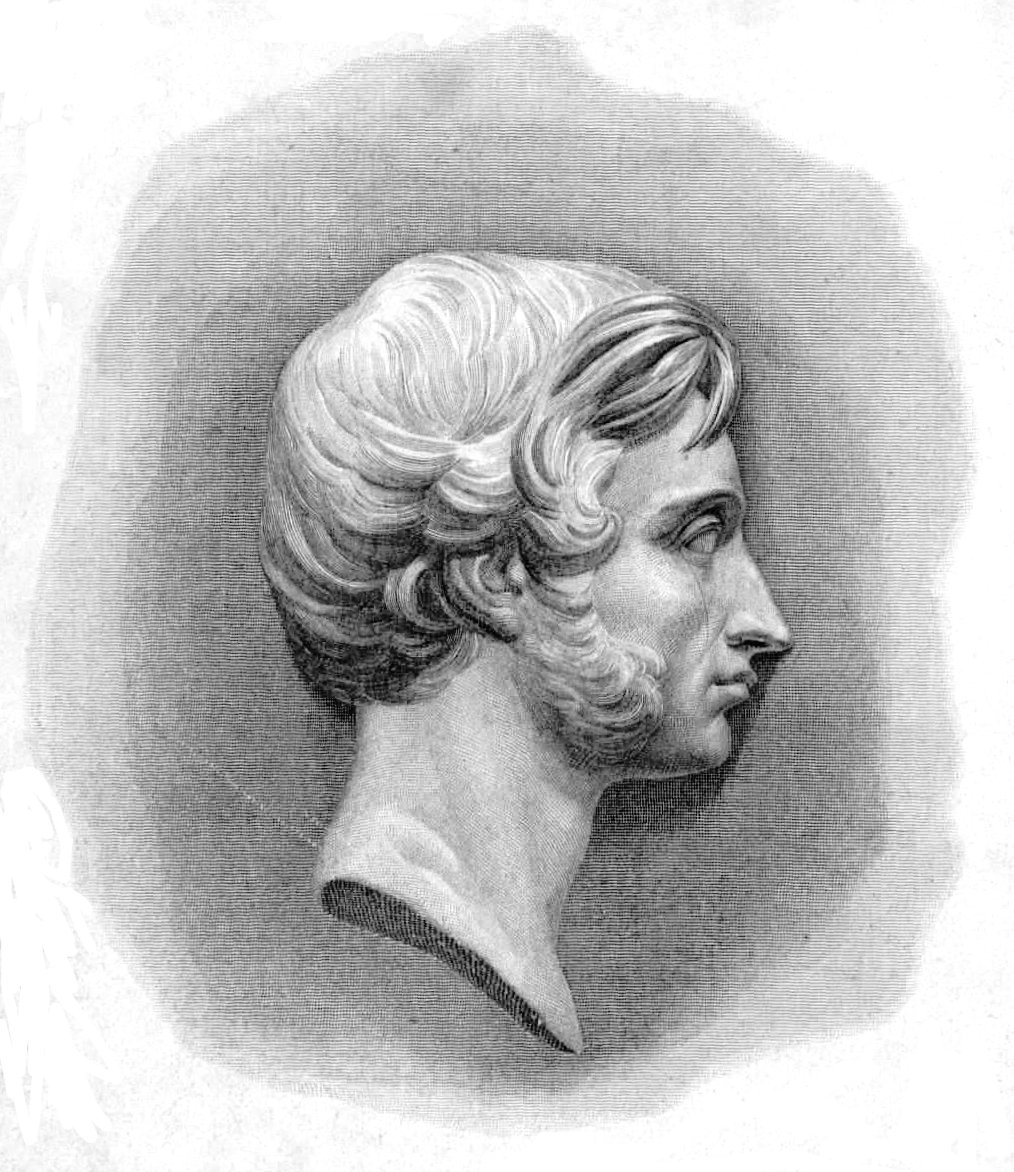
Adam Mickiewicz


ADAM MİCKİEWİCZ:

THE POET WHO SAW THE SUNLIGHT OF FREEDOM IN THE TWILIGHT OF CAPTIVITY

Is humanity’s cordiality, nations’ grudge?
Is love coming to blow out this beautiful spark;
The revolving world becomes an axis, nationality,
Freedom that will emerge dazzlingly on our horizon...

Many poets struggle with rhyming and stanzas and only write poetry. As for the owner of these verses, Adam Mickiewicz, while he was penning his poem “Dedicated to Youth”; it wasn’t just a poem, it was also the history of a period he himself was not destined to witness.

Feeling the pain of captivity in the depths of this heart, Mickiewicz spent his entire life working hard to have Poland attain its independence. With this in mind, he participated in meeting with Polish immigrants in Italy, Germany and Hungary. Most of his years were passed as a professor in Paris, while much of his time was spent in cooperating with the Polish revolutionaries who took refuge in France. He communicates with Polish immigrants who have dispersed to the four corners of the globe and establishes unifying relations. Here is a summary of a speech he made at a meeting of an organization he set up with his fellow patriots; “We must unify our efforts to save our sacred motherland against the terrible possibilities that might result in death. Together, we must spend our energy for our people and our homeland. We must find the strength to oppose all the obstacles and dangers in a more superior manner. There is a sweet magic in the air of
organizations like this one against the administration of a despotic ruler.” The lives of a number of friends like him were spent of the road in order to struggle for independence in solidarity with Poles who scattered to throughout the world.

CHARMING CITY; LIFE IN İSTANBUL

The path of Adam Mickiewicz, who spent his life as a freedom fighter, crossed İstanbul in the year 1855. His companion, Henryk Sluzalski conveyed his thoughts about the scene he saw while the ships were drawing up alongside on the morning of 22 September, 1855 thusly, "The ship had reduced its speed in order to enter Istanbul Harbor at the crack of dawn at 5:00 am. At six a.m., what we saw wasn’t a city, but rather a miracle. 

The rising sun was shining the windows and minarets with its golden rays. It was really a spellbinding city." 
The reason for the poet’s arrival in İstanbul was to check out the situation of the Poles which took refuge in the Ottoman State in 1848 and to reinforce the status they took on the Turkish side of the Crimean War, which began two years earlier. Mickiewicz’s goal was to join up with the Polish battalion, which was set up during this war by the Polish commander Sadık Pasha and fight on the side of the Ottomans
against the Russians.

As the trip from Paris to Turkey was quite costly, the financial difficulties that the poet and his friend found themselves in forced them to live in tough circumstances in İstanbul. Amongst his comrades was Levy, who wrote Wladyslaw Mickiewicz a letter describing this difficult period. "This was a single room flat. The three of us sat in three corners and the door was situated in the fourth corner. Instead of a bed, we spread a mattress on the carpet and used our overcoats instead of a blanket.”

His compatriot Henryk Sluzalski wrote the following in his dairy under the September 23rd entry: "We have been living for two days in Turkish fashion. Chicken and rice, which is cheap here, is our meal of choice and we prepare it ourselves. Everyone is giving us strange looks." Mickiewicz wrote about the same food routine in a letter, describing it in this manner, "We cook our own food at home. Right now my compatriot is cutting the chicken with a stiletto then we are going to add the rice on top. That’s going to be a delicious lunch. This evening’s experience constantly whet’s the appetite." As can be seen from this letter he wrote, it was as if this miserable life attracted the poet’s imagination.

Subsequent his Burgaz excursion on 3 October, 1855, the poet left a building in Galata that hasn’t been completely determined as to where it was situated and moved to a small, dark and extremely modest flat to spend his final days.

As the rent wasn’t high, Mickiewicz resigned to moving into this dark flat. Moreover, he had no intention of staying there for long and planned to travel to Bulgaria and Serbia. Unfortunately, a fatal disease cut those plans short. The description of the room that Mickiewicz lived in is still extant; "There is a iron bed with a white bedspread in the right corner where the poet breathed his last breath. Next to the bed was a small table where he wrote letters to his children, friends and acquaintances, and just beyond that was a couch and a reed armchair. Next to the door was the sink and with another table in the center of the room. There are a few lithographs and a mirror hung the walls."

This flat was a venue where Poles met and made emotional speeches during the period of the Crimean War. Amongst the Polish immigrants who frequently dropped by this home were Adam Czartoryski, who fled to İstanbul after the 1830 Rebellion and subsequently established Polonezköy, the writer T.T. Jez (Hanri) Sobozowski, as well as Adam Michalowski, who later became a Moslem. Sobozowski, who was one of the poet’s closest friends who stayed in this home, volunteered to fight in the Crimean War. The first order of business of those who joined this war was to purchase a uniform and headgear called ‘kalpak’. In his memories, the poet Mickiewicz went into great detail about how he adored his kalpak more than everything else but his passport. In those days, the only issue that the Poles complained about was the frequent fires that plagued İstanbul. Sobozowski was so afraid that fire was also going to hit his home that he always placed his passport and
kalpak under his pillow figuring he could save them whenever the fire appeared at his doorstep.

PREFERENCE FOR LIFE IN PARIS AND DEATH IN İSTANBUL

In 1855, a major cholera outbreak had struck İstanbul and the poet would call on his stricken friends to wish them a speedy recovery. He contracted the disease during these one of these visits and his health worsened within 10 days. He knew he had come down with cholera and that no cure existed for this disease. In regards to this ideal, the last words of this poet who found himself with a terminal illness in Turkey to his self-sacrificing his compatriot İskender Pasha, who headed major campaigns in the Turkish Army: "Had I known I was going to die of cholera in İstanbul, I would still have come here. Because it was my duty to do so. Rather than becoming the general secretary of a scientific academy in France, I prefer to be an ordinary secretary of a Turkish battalion."

The poet passed away in Pera on November 26th, 1855. The dark room on the edge of the city symbolizes the poet’s tenacious life. Like that of his lifestyle, the weather on the day he died was very cold and rainy. According to letter by his friend, T.T. Jez, describing the very plain funeral ceremony of Liberated Poet who died outside his native land. The Turks and mullahs wore black and watched with melancholic contemplation. "A pair of oxen pulled a plain casket through the muddy streets of Beyoğlu. I assumed there would be nobody but us Poles taking part in the procession, but it wasn’t long before we understood how wrong I was. A teeming mass of mourners wearing black filed in behind us, covering the street. People from all nations where present, Serbians, Dalmatians, Montenegrians, Albanians, Italians, with Bulgarians in the majority. This was their way of showing of respect for the genius of the Slavic poet.”

The removed internal organs of Adam Mickiewicz were buried in the basement of the building which remains a quiet house. According to the customs of those days, his embalmed body was sent to Paris by means of the Turkish Embassy in France. This was because the poet was accepted everywhere as the guest of Napoleon III. Adam Mickiewicz’ body was buried after a sorrowful ceremony was conducted at the Madlen Church in Paris. In 1890, his grave was opened in Paris whereas his bones were shipped to Poland. He was reburied in the graveyard of the Wawel Royal Chateau Church. Thus, the memory of the poet lives in three separate places, in İstanbul, in Paris' and in Poland.

THE BIRTH OF A MUSEUM FROM ASHES
As his compatriot Sobozowski feared would happen, the house the currently revives the memory of the poet burnt down in the Great Beyoğlu Fire of 1870. The building which is extant today was restored by another Polish political refugee, Jan Gorczynski, who affixed a plaque on the door. In 1909 the Committee of Unity and Progress placed a signed in memory of Adam Mickiewicz and the Poles who died in the Crimean War. On the 100th anniversary of the poet’s death, the building witnessed another ceremony and the hanging of new signboards. The structure was nationalized by the Ministry of Culture in 1978/79. After undergoing major renovation, the display arrangements were completed and the museum was opened to visitors in the year 1984.

The building’s exhibit project was undertaken by specialists and decorators from Warsaw. While the great majority of the materials were shipped from Poland, these were reinforced with various works taken from the Museum of Turkish and Islamic Works and the Military Museum.

While exhibiting the poet’s lifestyle and works in the museum using contemporary concepts, a room in the building’s cellar is preserved as a symbolic tomb for the poet. Actually, if we consider that what makes a poet a poet is not flesh and bones, but rather his heart, we can say that this cellar where his heart along with the rest of his internal organs are buried is his true tomb. If you wish to be inspired from his live and follow in his steps, the door of his house at Tatlı Badem Sok. No. 29 in Dolapdere is open to visitors between 09:30 – 17:00 every day except Monday. In concluding this article like a Polish poet, the first thing to come to mind would be the Freedom Sun he mentioned continually in his poems. Wishing your Freedom Sun never sets… 


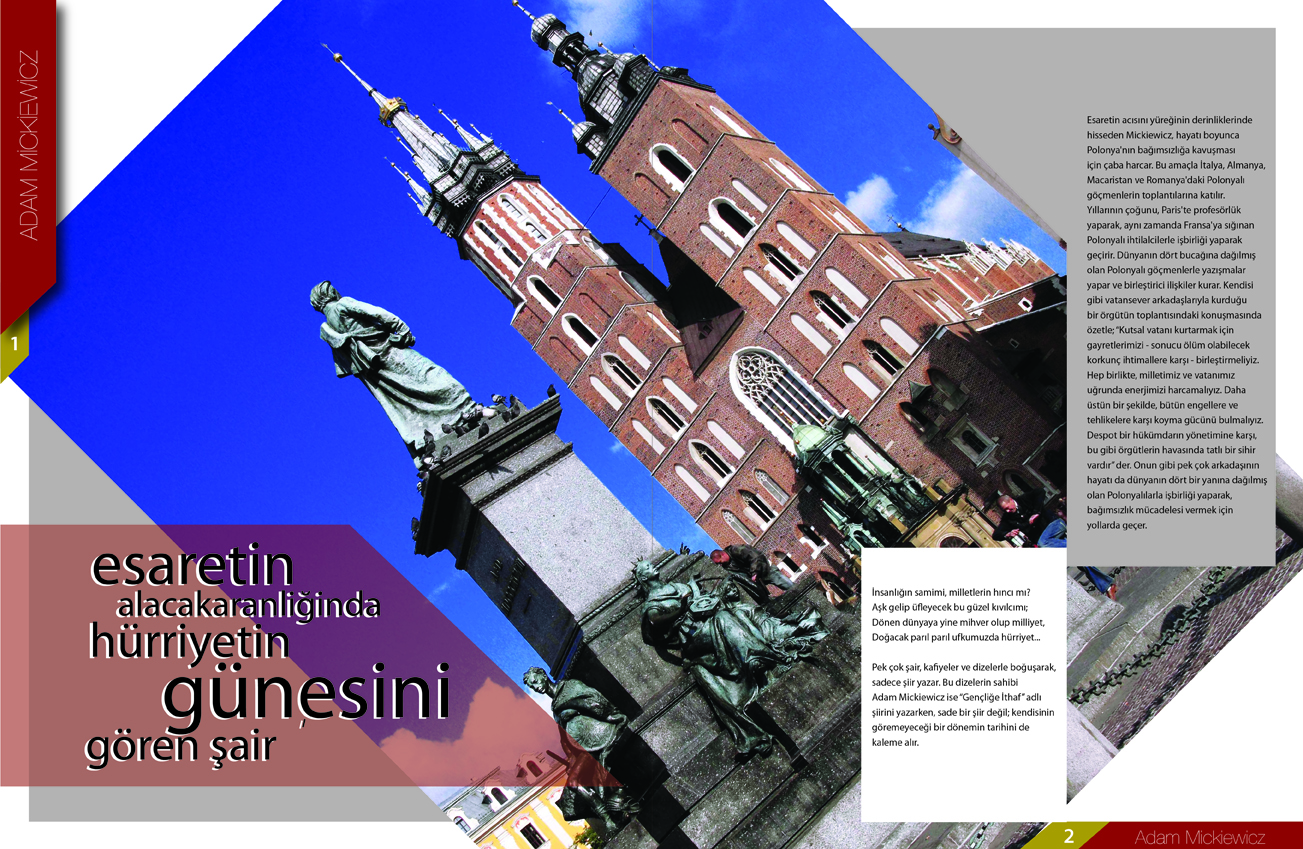
 ADAM MİCKİEWİCZ : 

 ESARETİN ALACAKARANLIĞINDA HÜRRİYETİN GÜNEŞİNİ GÖREN ŞAİR 

İnsanlığın samimi, milletlerin hıncı mı?
Aşk gelip üfleyecek bu güzel kıvılcımı;
Dönen dünyaya yine mihver olup milliyet,
Doğacak parıl parıl ufkumuzda hürriyet...

Pek çok şair kafiyeler ve dizelerle boğuşarak, sadece şiir yazar. Bu dizelerin sahibi Adam Mickiewicz ise “Gençliğe İthaf” adlı şiirini yazarken; sade bir şiir değil; kendisinin göremeyeceği bir dönemin tarihini de kaleme alır.

Esaretin acısını yüreğinin derinliklerinde hisseden Mickiewicz, hayatı boyunca Polonya'nın bağımsızlığa kavuşması için çaba harcar. Bu amaçla İtalya, Almanya, Macaristan ve Romanya'daki Polonyalı göçmenlerin toplantılarına katılır. Yıllarının çoğunu, Paris'te profesörlük yaparak, aynı zamanda Fransa'ya sığınan Polonyalı ihtilalcilerle işbirliği yaparak geçirir. Dünyanın dört bucağına dağılmış olan Polonyalı göçmenlerle yazışmalar yapar ve birleştirici ilişkiler kurar. Kendisi gibi vatansever arkadaşlarıyla kurduğu bir örgütün toplantısındaki konuşmasında özetle; “Kutsal vatanı kurtarmak için gayretlerimizi - sonucu ölüm olabilecek korkunç ihtimallere karşı - birleştirmeliyiz. Hep birlikte, milletimiz ve vatanımız uğrunda enerjimizi harcamalıyız. Daha üstün bir şekilde, bütün engellere ve tehlikelere karşı koymak gücünü bulmalıyız. Despot bir hükümdarın yönetimine karşı, bu gibi örgütlerin havasında tatlı bir sihir vardır” der. Onun gibi pek çok arkadaşının hayatı da dünyanın dört bir yanına dağılmış olan Polonyalılar’la işbirliği yaparak, bağımsızlık mücadelesi vermek için yollarda geçer.

BÜYÜLEYİCİ ŞEHİR; İSTANBUL’DA YAŞAMI

Hayatını bir özgürlük savaşçısı olarak geçiren, Adam Mickiewicz’in yolu, 1855 yılında İstanbul`a düşer. Yanında ona eşlik eden arkadaşı Henryk Sluzalskı 22 Eylül 1855 sabahı gemileri İstanbul’a yanaşırken gördüğü manzarayı şöyle aktarır "Gemi sabah saat beşte, güneş doğmadan İstanbul Limanı'na girmek için yavaşlıyordu. Saat altıda şehri değil, adeta bir mucizeyi gördük (...) Doğan güneş bütün pencereleri ve minareleri altın ışınlarıyla parlatıyordu. Gerçekten büyüleyici bir şehir". Şairin İstanbul’a geliş nedeni; 1848 yılında Osmanlı Devleti`ne sığınan Polonyalılar`ın durumunu incelemek ve 1853 yılında başlayan Kırım savaşında onların Türkiye safında aldıkları yeri güçlendirmektir. Mickiewicz’in hedefi, bu savaşta Polonya asıllı Sadık Paşa komutasında kurulacak olan Polonya taburuna katılmak ve Osmanlı ordusu safında Ruslara karşı savaşmaktır.

Paris’ten Türkiye’ye yapılan bu çok pahalı yolculuk nedeniyle, içine düştükleri maddi sıkıntılar, şairin ve arkadaşlarının İstanbul’da zor koşullar altında yaşamalarına neden olur. Şairin yoldaşları arasındaki Levy'nin Wladyslaw Mickiewicz'e yazmış olduğu bir mektup, bu zor dönemleri betimler: "Bu tek odalı bir daire idi. Her köşede üçümüzden biri oturuyorduk. Kapı dördüncü köşede bulunuyordu. Karyola yerine halı üzerine şilte seriyor, yorgan yerine paltolarımızı kullanıyorduk.”

Yine yoldaşı Henryk Sluzalski 23 Eylülde güncesinde şöyle yazar: " İki gündür Türk usulü yaşıyoruz. Burada ucuz olan tavuklu pilavı kendimiz pişirip yiyoruz. Herkes bize tuhaf tuhaf bakıyor." Aynı yemek şeklini ise Mickiewicz yazdığı mektupta “"Evde yemeği kendimiz pişiriyoruz. Şu anda benim yoldaşım kamasıyla pilici kesiyor, sonra üstüne pilav koyacağız. İşte nefis bir öğle yemeği olacak. Bu akşam yaşantısı devamlı olarak iştah açıyor" şeklinde tanımlar. Bu sefil yaşantının, yazmış olduğu mektupta da görüldüğü gibi, adeta şairin hayal gücünü cezp ettiği görülür.

Şair, 3 Ekim 1855 tarihli Burgaz seyahatinden sonra, Galata’da tam olarak nerede konumlandığı tespit edilemeyen binadan ayrılarak, son günlerini geçireceği küçük, karanlık ve son derece mütevazi daireye taşınır.

Kira yüksek olmadığından Mickiewicz bu karanlık daireye taşınmaya razı olur. Ayrıca orada uzun zaman kalmaya da niyeti yoktur Aralık başında Bulgaristan ve Sırbistan'a yolculuk etmeyi planlar. Maalesef ölümcül hastalık bu planların gerçekleşmesine izin vermeyecektir. Mickiewicz'in oturmuş olduğu odanın betimi günümüze kadar ulaşmıştır; "Sağ köşede şairin son nefesini verdiği beyaz örtülü demir karyola vardır. Yatağın yanında, çocuklarına, dostlarına ve tanıdıklarına mektuplar yazdığı ufak masa, biraz ötede divan ve hasır koltuk yer almaktadır. Kapının yanında lavabo, başka bir masa ise odanın ortasında bulunmaktadır. Duvarlarda ayna ve birkaç taş basma asılıdır."

Bu ev Kırım Savaşı'nda Polonyalıların toplandıkları, hararetli konuşmalar yaptıkları, bir merkez olur. Bu evi sıklıkla ziyaret eden Polonyalı göçmenler arasında, 1830 yılındaki ayaklanma sonunda İstanbul’a gelen ve Polonezköy'ü kuran Adam Czartoryski, yazar T.T. Jez ile (Hanri) takma adıyla Sobozowski ve sonradan Müslüman olan Adam Michalowski de vardır. Şairin evinde kalan yakın arkadaşlarından Sobozowski, o günlerde gönüllü olarak Kırım Savaşı'na katılacaktır. İlk iş olarak bu savaşa katılanların giydikleri orijinal bir kalpakla, elbise satın alır. Şair Mickiewicz, anılarında, bu arkadaşının orijinal kalpağıyla, pasaportundan başka hiçbir şeye değer vermediğini uzun uzun anlatır. Polonyalılar'ın o sıralarda yadırgadıkları tek şey İstanbul’da sık sık yangın olmasıdır ve Sobozowski’nin günün birinde kendi evlerine yangının sirayet edeceği korkusuyla, uyurken kalpağıyla pasaportunu daima yastığının altına yerleştirdiğini, bir yangın çıktığında, önce bunları kurtarmayı tasarladığını hikaye eder.

İSTANBUL’DA ÖLÜMÜ, PARİS’TE YAŞAMA TERCİH EDİŞ

1885 yılında İstanbul’da kolera kol geziyordur. Şair, koleralı hastalara, geçmiş olsun ziyaretinde bulunur. Oradan aldığı kolera mikrobuyla, 10 gün içerisinde, kötüleşir. Hastalığının kolera olduğunu ve bu hastalıktan kurtuluş olmadığını bilmektedir. Bir ülkü uğrunda, Türkiye'ye gelmiş bulunan şairin, bile bile ölüme giderken, başucundan ayrılmayan vefalı arkadaşı ve Türk ordusunda büyük hizmetleri bulunan Polonyalı İskender Paşa'ya söylediği son sözler, şu olur: "İstanbul’da, koleradan öleceğimi bilseydim, yine buraya gelirdim. Çünkü bu benim görevimdi. Ben, Fransa'da bir ilim akademisinin genel sekreteri olmaktansa, bir Türk taburunun alelade bir sekreteri olmayı tercih ederim."

26 Kasım 1855 günü Şair Pera'da vefat eder. Şehrin kenarındaki karanlık odası, adeta şairin bin bir güçlükle dolu hayatını simgeler. Ölüm günü de yaşamının iklimi gibi, çok soğuk ve yağışlı bir güne rastlar. Şair'in arkadaşı olan tarih yazarı T.T. Jez'in cenaze törenini tasvir eden yazısından anlaşıldığına göre, gurbette ölen bu Hürriyet Şairi için, İstanbul'da çok sade bir tören yapılır. Bu töreni siyahlar giymiş Türkler ve mollalar da hüzünlü çehrelerle izlerler. Şair'in oda arkadaşı bu hazin cenaze törenini şöyle anlatır: "Beyoğlu'nun çamurlu yolları arasında, bir çift öküzün çektiği, sade bir tabut vardı. Polonyalılar'dan başka, kimse yok sanıyordum. Yanılmış olduğumuzu biraz sonra anladık. Arkamızda, sokağı kaplamış, başlarına siyahlar sarmış, sel gibi bir kalabalık akıyordu. Cenaze alayında, her ulusu temsil eden kişiler vardı. Sırplar, Dalmaçyalılar, Karadağlılar, Arnavutlar, İtalyanlar, özellikle Bulgarlar çoğunluktaydı. Ölenin şahsında, Slav şairin dehasına duydukları saygıyı böylece gösterdiler".

Adam Mickiewicz'in çıkartılan iç organları, bugün sessiz bir ev olarak duran, binanın bodrumuna gömülür. O zamanki usule göre, tahnit edilen cesedi, Fransa'nın Türkiye'deki elçiliği vasıtasıyla Paris'e gönderir. Çünkü şair her yerde III. Napolyon’un misafiri sayılır. Adam Mickiewicz'in cesedi Paris'teki Madlen Kilisesi'nde yapılan hüzünlü bir merasimden sonra, toprağa verilir. 1890 yılında da Paris'teki mezarı açılarak, kemikleri Polonya'ya gönderilir. Krakow'da bulunan Wawel Kraliyet Şatosu Kilisesi’nin mezarlığına gömülür. Böylelikle, şairin bugün, İstanbul’da, Paris'te ve Polonya'da olmak üzere üç ayrı yerde, hatırası yaşamaktadır.

KÜLLERDEN BİR MÜZENİN DOĞUŞU

Şairin bugün de hatırasının yaşatıldığı ev; arkadaşı Sobozowski’nin korktuğu gibi 1870 büyük Beyoğlu yangınında yanar. Bugün ayakta duran bina, yangın sonrasında başka bir Polonyalı siyasi mülteci olan Jan Gorczynski tarafından yaptırılarak, kapısına bir plaket takılır. 1909 yılındaysa, Kırım Savaşı’nda ölen Polonyalılar ve Adam Mickiewicz anısına İttihat ve Terakki Fırkası tarafından bir tabela konulur. Şairin ölümünün 100. yılında bina yeniden tören ve anma levhalarının takılmasına şahit olur. Yapı 1978/79 yılları arasında Kültür Bakanlığı tarafından kamulaştırılır. Büyük bir onarım ve düzenleme çalışmasından sonra 1984 yılında teşhiri için düzenlemeler tamamlanarak, ziyarete açılır.

Binanın teşhir projesi, Varşovalı uzman ve dekoratörler tarafından yapılır. Malzemelerin büyük bölümü Polonya’dan getirilirken, Türk ve İslam Eserleri Müzesi ve Askeri Müze’den de çeşitli eserlerle takviyeler yapılır.

Müzede, şairin yaşamı ve eserleri modern bir anlayışla sergilenirken, binanın mahzenindeki bir oda, şairin sembolik kabri olarak durmaktadır. Aslında bir şairi, şair yapanın eti ve kemiğinden ziyade yüreği olduğunu düşünürsek; iç organlarıyla beraber yüreğinin de gömüldüğü bu mahzenin onun gerçek kabri olduğunu söyleyebiliriz. Onun yaşamından izleri sürmek ve ilham almak isterseniz; Pazartesi dışında her gün 09:30–17:00 saatleri arasında, Dolapdere Tatlı Badem Sokak 29 numaradaki evinin kapısı, ziyaretçileri için açık tutuluyor… Polonyalı şair bu yazıyı sonlandırsaydı, ne derdi diye düşününce akla ilk, şiirlerinde devamlı bahsettiği Hürriyet güneşi geliyor. Hürriyet güneşinizin hiç batmaması dileğiyle…   


Cihangir Cami / Cihangir Mosque


 SARAYDAN ÇIKMADAN YAPILAN FETİH   
                                                     Cihangir Cami 


Osmanlı Hanedanı, nedense İstanbul’un Beyoğlu bölgesinde uzun yıllar boyu yapısal bir etkinlik göstermemiştir. Beyoğlu her zaman ötekidir. Orası bambaşka bir topraktır. İstanbul sınırları içerisinde başka bir kültür… Başka insanlar ve başka mekanlara ait bir yer…

Bu yabancı topraklara, İlk kez Kanuni Sultan Süleyman ve Hürrem Sultan, en küçük oğulları Cihangir’in ölümünden sonra, Mimar Sinan’a Fındıklı yamaçlarında tek minareli küçücük bir cami yaptırırlar. Bu küçük camiye ve daha sonra da semte adını veren Cihangir, bedensel engelli oluşuyla, saltanat dünyasında önceden kaderi belirlenmişler arasında yer alır. O diğer erkek kardeşlerinden tamamen farklı bir hayat sürmek zorunda kalır. Babasıyla ava, savaşa giden; Sancak’a çıkan, özel eğitimler alan bir padişah adayı değil, annesiyle sarayda kalmaya mahkum bir şehzadedir. Kanuni Sultan Süleyman’ın “halk içinde muteber bir nesne yok devlet gibi; olmaya devlet cihân da bir nefes sıhhât gibi” diye başlayan gazelini oğlu Cihangir için yazdığı söylenir.

Şair Ruhlu Bir Şehzade

Cihangir, diğer şehzadelere kıyasla çok hassas ve şair ruhlu bir şehzadedir. Günler boyunca yapacak bir şey bulamadığı harem dünyasında, sarayın dört duvarı içinde yalnızlığını her an hissederek yaşar. Belki de bu derin yalnızlığı, Kanuni Sultan Süleyman’ın Mahidevran Sultan’dan olma en büyük oğlu Mustafa’nın gösterdiği yakınlık ve ilgiye karşılık ona ölümüne derinden bağlanmasına sebep olmuştur.

Öyle ki, Nahcıvan Seferi’ne çıkan üvey ağabeyi Mustafa’nın idam haberini aldığında, yemeden içmeden kesilerek hastalanır. Bir ay gibi kısa bir zamanda ağabeyinin yanına, ebediyet diyarına gider. Ruhları birleşse de naaşları farklı yerlere gömülür bu iki kardeşin. Kanuni Sultan küçük oğlunun, on sene önce çiçek hastalığından kaybettiği gözde şehzadesi Mehmet’in yanına gömülmesini isterken, öteki oğlunun naşını, İstanbul’dan sürgün edercesine, annesinin ikamet ettiği Bursa’ya gönderir  

Yitirdiğimiz ünlü siyaset adamı Bülent Ecevit yazdığı bir şiirde, Şehzade Mustafa’nın ağzından Şehzade Cihangir’e seslenerek, iki şehzadenin birbirlerine duyduğu sevgiyi şu dizelerle anlatır.

İki büyük suçumuz var
Seninle benim Cihangir
Biri sevmek biri sevilmek
Bunca büyük suçlarla padişah olunmaz
Biz insanız Cihangir
Bizden tahtlara han olmaz
Sıcağına bak yüreğimizin
Aktıkça gözlerden gözlere
Nasıl eritir birbirini
Tahtların karlı doruğunda

Şehzade Mustafa ve Şehzade Cihangir’in aralarında yakaladıkları yakınlık aslında bir imparatorluk için sıra dışı bir örneği teşkil eder. Çünkü devletin bekası için taht duygusallığa izin veremez…

Yalnızlık İçinde Geçen Kısa Bir Ömrün Sembolü

Şehzade Cihangir’in vefatından sonra, Kanuni Sultan Süleyman, gözde şehzadesi, eşi ve kızı için yaptırdığı devasa yapıların yanında devede kulak denilebilecek, onun anısına küçücük bir cami inşa eder. Cihangir’in bütün bir vaktini geçirdiği çardakta, her gün gördüğü bir yer için yapılan ufak bir cami…

Cami kurulduğundan itibaren beş kez büyük yangın geçirdiğinden ilk yapısı hakkında belli başlı çizimler dışında bir kaynak yok. 1580 tarihli bir çizimden anlaşıldığına göre tek minareli, ahşap çatılı olduğu anlaşılıyor.

Yapıldığı dönemde korulukların içinde, bulunduğu yamaçtan denize atlamaya her an istek duyar gibi duran, adını taşıdığı şehzade kadar yalnız, bulunduğu semtte de Cihangir’in saraydaki hali gibi öteki… Fındıklı’dan dik bir merdivenle çıkılan bu caminin yanına altmış yıl sonra bir Halveti tekkesi kurulur. Önce bu tekke Cihangir Tekkesi olarak bilinmeye başlar ve Cihangir Tevhidi olarak ünlenen bir zikir doğar bu tekkede de.

Dillerden Düşmeyen Semt

Cami zamanla çevrede kurulan yerleşmelerin merkezi haline geldiğinden semtin adı da Cihangir olur. Cihangir bu sayede pek çok şehzadenin yapamadığını anısına kurulan o küçücük camiyle hiçbir hanedan mensubunun başlarda tenezzül edip adına bir yapı inşa ettirmediği toprakları ismiyle fetheder. Gerçekten bu mahalle şehzadenin o ince şair ruhuna o kadar uygundur ki; yüz yıllar sonra ünlü şairlerden Yahya Kemal Beyatlı “Git bu mevsimde, gurup vakti, Cihangir’den bak!  Bir zaman kendini karşındaki rüyaya bırak!” dizeleriyle başlayan Hayal Şehir adlı şiirinde, bu semtin manzarasının büyüleyiciliğini anlatır.

Aslında günümüzde de etrafında yükselen sıra sıra apartmanların arasında kare hacmi, iki minareden oluşan yalın mimarisiyle yine yalnız ve soyutlanmış görünür cami. Ama insanların dilinde artık Cihangir var; Cihangir’e gidiyoruz diyorlar, yemeye, eğlenmeye ya da bir bardak çay içmeye; 22 sene süren bir yalnız yaşamı andıklarının farkında olmasalar da, Cihangir adını öğretmeyi başardı küçücük camisiyle İstanbullulara… 

 Conquest Without Leaving The Palace  


The Ottoman Dynasty undertook practically hardly any structural activity in İstanbul’s Beyoğlu district for many years after conquering the city. Beyoğlu was always beyond the realm, a totally different land, another culture within İstanbul’s borders. A place belonging to other people and other venues…

The first time a structure went up in these foreigner lands came when Sultan Süleyman the Magnificent and his wife Hürrem Sultan commissioned the architect Mimar Sinan to build a small mosque with a single minaret on the slopes of Fındıklı after the death of their youngest son, Cihangir. With his physical handicap, Cihangir, whose name was first given to this small mosque, and later to the surrounding neighborhood, was amongst those whose fate in the sultanate realm was determined beforehand. He had to lead a totally different life from that of his other brothers. He wasn’t a sultan candidate who went hunting or to war with his father, who received private education, but a crown prince who was condemned to remain in the palace with his mother. It is said that Sultan Süleyman the Magnificent penned a poem for his son Cihangir that began thusly, “There is no greater object amongst people than the state; nor a state in the world like a healthy
breath.”

A Crown Prince with a Poetic Soul

Compared with the other crown princes, Cihangir had a more sensitive and poetic soul. Not finding anything to do for days on end, he felt lonely every moment within the four walls of the palace in the harem realm. Perhaps it was this deep loneliness that was the reason, The affinity and care shown by his step-brother Mustafa, who was Sultan Süleyman’s eldest son by his first wife, Mahidevran, was the reason for the deep connection to his death.

Such was the case that when he learned word of the death sentence of his step-brother Mustafa, who joined the Nahcıvan Expedition, he went on a hunger strike. Within a month, he joined his brother in paradise. Though the souls of these two brothers merged together, their bodies were buried in different places. While Sultan Süleyman the Magnificent wished his small son to be buried next to his favorite crown prince, Mehmet, who died of measles 10 years before, he sent the body of the other son to Bursa, where his mother was living in exile.

In a poem written by the famous political statesman, the late-Bülent Ecevit, he tells of the love the two crown princes had for each other, address Crown Prince Cihangir from the mouth of Crown Prince Mustafa.

We are guilty of two crimes
You & me, Cihangir
One is to love, the other is to be loved
One cannot become the sultan after committing such big crimes
We are people, Cihangir
Neither of us can ascend to the throne as khan.
Look at the warmth of our hearts
Flowing from eyes to eyes
How does it melt one another
On the snowy peak of their thrones
The affinity that Crown Prince Mustafa and Crown Prince Cihangir had for each other constitutes an extraordinary event for the empire. Because the state’s permanence did not allow throne sensitivities…

The Symbol of a Brief Life Spent in Loneliness

In addition to the giant structures he commissioned to be built in honor of his favorite crown prince, his wife and daughter, Sultan Süleyman the Magnificent also had a tiny mosque constructed for Crown Prince Cihangir after his passing. A small mosque erected for all the time that Cihangir spent in the palace gazebo staring out at some place out yonder…

Fire struck the mosque five times since it was first built, whereas there are no sources regarding its initial structure other than some fundamental drawings. According to a drawing made in 1580, it is understood the mosque had a wooden rook and had a single minaret.

Accessed via a steep staircase leading up from Fındıklı, a Halveti Lodge was established next to the mosque 60 years later. At first, this lodge was known as the ‘Cihangir Lodge’ as well as the Cihangir Joinder, which became a famous rememberance.

The District Constantly on Everyone’s Minds

The district’s name became Cihangir when the settlements which were founded in the vicinity of the mosque over time, gradually turned into a community center. Actually, this neighborhood was so suitable to the elegant poetic spirit of the crown prince that, centuries later, the famous poet, Yahya Kemal Beyatlı exclaimed, “Go in this season with a group of friends and look from Cihangir! For once, leave yourself in the dream facing yourself!” This charm of the view of this neighborhood is conveyed in a poem of his called Hayal Şehir (Dream City).

Nowadays, with its plain architecture comprised of two minarets, the square-planned mosque still looks forlorn and isolated amidst the rows of apartments rising all around it. Nowadays, people have the neighborhood constantly on their minds, saying, “We’re going to Cihangir to drink a glass of tea, to eat or to have fun.” Though they may not aware that they recalled a lonely life that lasted 22 years, they succeeded in teaching the name Cihangir to the citizens of İstanbul with this cozy little mosque…


Kanto / Canto


Leblebici Horhor

Peruz Hanım


 GALATA DİREKLER ARASINDA; 
                                            Süzülen Nağmeler  


Kanto için etekleri zil çalan bir müzik türü diyebiliriz. Müzik ve raksın bir arada güçlü bir dişi perspektifle yorumlandığı bu tür; Osmanlı- Türk kültürünün ilk popüler müzik türü olmasının yanı sıra kadın kimliğinin ilk defa sanatsal ve kültürel açıdan ön plana çıkmasını sağlamasıyla, tarihimizde önemli bir yere sahiptir.

Galata’ya gelen bir gezgin İtalyan tiyatrosunun sahne almadan önce söylediği şarkıların büyük beğeni toplamasıyla, oluşan bu türün adı, İtalyanca şarkı söylemek anlamına gelen cantare’den türetilir. Kanto, tiyatro öncesinde program hakkında bilgi veren, ayrıca teatral özellikler taşıyarak, söyleyen kişinin jest ve mimiklerle güfteyi pekiştirmesini gerektiren danslı ve müzikli bir tür olarak ortaya çıkar. Bununla beraber daha sonra tiyatroyla göbek bağını keserek, müzikal bir form olarak gelişir.

Kanto ilk olarak kadınlar tarafından icra edilmiş, daha sonra erkekler bu türe destekleyici ve yan unsur olarak katılmışlardır. Peruz, Virjin, Şamran, Kamela, Agaumi, Pipina, Büyük Mori, Eleni, Büyük Amelya, Küçük Amelya, Minyon, Flora, Aranik, Maltit Viktorya, Anjel bu dönemin en popüler kantocuları arasında yer alır. Eğlenceli atışmaların da yer aldığı bu türün en eğlenceli örneklerinden biri Karı Koca Kantosu’dur.

KADIN: Koca bıktım senin her gece bu bitmez tavrından
            Hiç utanmıyor musun sen karşındaki komşundan
            İçme derim içersin kendinden de geçersin
            Zaten senin neyine hiç gelme evime

ADAM: A be karı ne istiyorsun sen benim rakımdan
            Odur ki beni kurtaran her türlü merakımdan
            İçme dersin içerim kendimden de geçerim
            Daha fazla söylenme; senden de vazgeçerim

KADIN Haydi çık dışarıya; İstemem böyle koca
             Aman usandım senden; defol git dışarıya…

İlk kantoya çıkan sanatçı, Kantocu Arnik Hanım olmasına rağmen; ilk olarak popülerleşen isim Peruz Hanım olmuştur. Cemal Ünlü, Peruz Hanım’ı kantoyu incelediği eserinde şöyle tanımlar: “ Kaşta gözde bol rastık ve sürme, başta arkaya dökülmüş saç, sırt, göğüs ve kolları dekolte, dizkapağı boyunda yavruağzı, kanarya sarısı, camgöbeği veya filizi, rengarenk pullu yanar döner kemerli bol saçaklı fistan. Çiğ pembe çorap, ponponlu ve sırmalı iskarpinler.”
Tabi bu tarz kıyafetler, sadece Peruz Hanıma ait bir tarzı betimlemez. Kantonun ruhuna uygun olarak giyinen pek çok kadın sanatçı; sözlerle hüznünü paylaşsa da; genellikle “bu da geçer gider” diye bir nağmenin notaların arasına saklandığı bu türe, uygun neşeli, canlı kıyafetleri giymeyi tercih eder.

Ahmet Rasim Bey, Fuhş-i Atik kitabında Galata tiyatrolarını ayrıntılı bir biçimde anlatır. "Peruz daha işveli, daha marifetli, daha şehvetli daha munis görünüyordu. Onun için tiyatronun sahneye yakın yerleri dopdolu bulunurdu. Tersane topçu neferlerinden, sıkma potur üstüne kukuletalı sako giyimli natırlardan, tellaklardan, hafiyelerden, mavnacı, salapuryalardan tütün da kalem mümeyyizlerine, on dört on beş yaşlarında çocuklara varıncaya kadar herkes buralarda yerini alır. O zaman Peruz için derlerdi ki: Çok kimsenin katili olmuş çok gencin canını yakmış bir kahpedir… Şarkısını bitirdi mi, localardan sandalyeler, çiçekler, buketler, fiyonklu mektuplar atılır, şangırtı, hüngürtü, patırtıdan bina yıkılacak zannedilirdi. Rakipler arasında tokattan, sopa, usturpadan başlayan çekişme, ustura, bıçak, demir çekme, bazen de tabanca atmakla son bulurdu.”

Gerçekten de Peruz ve öteki kantocular için bu türden sonu acı biten pek çok sevda hikayesi anlatılır. Peruz'un Ayvansaraylı hamal kahyası bir sevgilisi olduğu, ona sıkı sıkıya bağlı ve sahneye savrulan paralara yan gözle bile bakmayacak; pas vermeyecek, namuslu bir kadın olduğu da söylenir. "O sadece çiçeğe meraklıdır. Kim bir çiçek atarsa onu alır, koklar ve göğsüne takardı".

Bu Galata tiyatrosu hikayelerinin en acıklısı da, Agavni isimli bir Ermeni kantocunun başından geçenlerdir. İki erkeğin rekabeti neticesinde belalısı 'Mart Dokuzu' tarafından sahnede kurşunlanır ve kendisine aşık, saraya mensup bir paşanın sahneye fırlattığı çiçek demetinin yanında can verir.

Bütün bu tatsız olaylara karşın; kanto oldukça kuvvetli mizahi bir yapı barındırır. Kantolarda ayrılıklar, kalp kırıklıkları, eski aşklar; “pek güzeldin, pek latiftin; börek olsan seni yerdim; az soğanlı, bol etliydin; lafa daldım, dibin tuttu; gönül bu hemen unuttu” gibi, genellikle mizahi bir dille anlatılır.

Kantoyla beraber kadınlar daha güçlü bir kimlik edinir ve erkeklere neredeyse meydan okuyan parçaları seslendirirler. Pek çok kadın sanatçı, kendi yazdıkları besteleri seslendirirken, gayet cüretkar ve alaycı bir yaklaşıma sahiptirler. Aynı zamanda kantolar, yazıldıkları dönemin modasına, yaşam tarzına ilişkin ipuçları taşırlar. Kantoların ele aldığı konular içinde, kadınların Cumhuriyetle edindikleri yeni kimlik sık, sık alay ve eleştiri konusu yapılır. Bana Sarhoş Kız Derler ve Kadın Şoför kantoları sanki erkeklerden, geçmiş günlerin öcünü almak üzere söylenir.

Kadın Şoför:   Bana kadın şoför derler
                        Aşarım uçan kuşu
                        Bana deli şoför derler
                        Tırmanırım yokuşu
                        Yolda kornamı çalarım
                        Erkekleri parçalarım

Cumhuriyet döneminde güncel olan konulardan biri de; o zamanlar Daktilo diye anılan sekreterlik kurumudur. “Daktilo daktilo küçücük daktilo; telefon başındayım alo… Gönüller yakarsın, peşine takarsın, keklik gibi sekerek kaçarsın…” şeklinde sekreter kadınları anlatan kanto dönemin popüler kantoları arasında yer alır. Aynı dönemin başka bir popüler kanto örneği de Evlilik Kantosu’dur.

Erkek: Bu bekarlıktan bıktım usandım; metreslerimden hiç tat almadım
Bayan: Bu bekarlıktan bıktım usandım; nasiplerimden hiç tat almadım
Erkek: Şimdi var bir arzum, evlenmektir kararım; lakin münasip bir bayan nerden bulayım? Bayan: Şimdi var bir arzum, evlenmektir kararım; lakin münasip bir koca nerden bulayım? Erkek: İşte bir bayan pek mini mini; acep söylesem sever mi beni?. Matmazel bana verir misin elini?
Bayan: Al efendim bu elin sensin sahibi
Erkek: Matmazel bana verir misin kalbini?
Bayan: Al efendim bu kalbin sensin sahibi
Beraber: Bizi görenler sakın korkmasınlar ;bir eş bularak mutlu olsunlar.

Zamanla kanto bir müzik terimi olmaktan çok bir tanım, bir genelleme özelliği kazanır. Zamanın kural ve gelenek dışı, hafif, günün beğenisine yönelik ürünlerine genel bir tanımla, Kanto denilmeye başlanır. Bu tür sonunda oldukça yaygınlaşır. Geniş halk yığınlarınca benimsenip, sevilir. Bir orta sınıf kent kültürü, İstanbul kenti ürünüdür artık. Bu yüzyılın başında, günümüz pop sanatının bir erken habercisi olarak kendisini kabul ettirmeyi ve yarım yüzyıla yakın bir zaman gündemde kalmayı başarır. 1950'lerden sonraysa sadece Ramazan nostaljisi olarak radyo programlarında anılır. Daha sonradan Nurhan Damcıoğlu, Meral Küçükerol, Oya Alasya gibi sanatçılar, kantoyu gazino eğlence programlarına dahil ederek yaşatmaya çalışırlar.

Bir modadan bir nostaljiye dönüşen süreciyle kantoya bakıldığında, batı etkisiyle ortaya çıkan ama bizim ürünümüz olan bu türün, sadece icra eden sanatçıların ötesinde bir kadın kimliği oluşturduğu ve kitleleri etkilediğini rahatlıkla söyleyebiliriz. Bir dönemin şehirli kadınının yaşantısının izlerini taşırken; aynı zamanda onun kimliğini pekiştiren, onu öven ve daha cesur olmasını teşvik eden sözleriyle modern şehirli kadına yeni bir ufuk açar.

Son yıllarda yorumlanarak tekrar dillere düşen “Ben kalender meşrebim” kantosunun sözleri düşünüldüğünde, “gönlüme bir eğlence isterim olsun” diyen bir kadın portresine, günümüzde bile az rastlanırken; o dönemde bunları sahneleyen, cesur yürekli kadınların önünde bir kez daha saygıyla eğilmek gerekir. 


 MELODIES that DRIFT from Galata to Direklerarası  

 
We can define Kanto as a music type with skirts that chime cymbals. It’s a form that is interpreted with a powerful female perspective with music and dance together; besides being one of the first types of popular music in the Ottoman – Turkish culture, it holds an important place in our history for ensuring the first time that the woman’s identity, from both an artistic and a cultural aspect, was put in the foreground. 


With the garnering significant praise for songs sung prior to a wandering Italian theater taking the stage in Galata, the name of this type is a corruption of ‘cantare’, meaning to ‘sing a song’ in Italian. Kanto emerged as a type with dancing and music, the lyrics of which need to be reinforced with the singer’s gestures and mimics. Moreover, it provides information about the program prior to the theater and bears theatrical characteristics. Along with this, it developed into a musical form by cutting its umbilical cord with theater later on.


Kanto was first performed by women, and later on, men joined up this type as a supportive side element. The most popular performers of kanto during this period were; Peruz, Virjin, Şamran, Kamela, Agaumi, Pipina, Büyük Mori, Eleni, Büyük Amelya, Küçük Amelya, Minyon, Flora, Aranik, Maltit Viktorya, and Anjel. The most amusing examples of this type, which also features some entertaining quarrels, is the ‘Husband & Wife’ Kanto.

WOMAN: Husband, I’m fed up with your never-ending behavior
                Aren’t you embarrassed from our neighbor?
                I say, “don’t drink,” you drink anyway and get drunk
                Don’t even bother coming home at all

MAN: Jeez, woman, leave me (my or this on purpose?) rakı alone.
                It saves me from all sorts of curiosity.
                You say, “Don’t drink”, but I’ll drink and I’ll lose myself.
                Don’t start with me, or I’ll lose you as well

WOMAN: Go on, beat it, I don’t want such a husband
                Man, I’m fed up with you, go on, beat it …

Though the first artist to do kanto was Kantocu Arnik Hanım, the first one to make the style popular was Peruz Hanım. This is what Cemal Ünlü (wrote?) about Peruz Hanım’s version of kanto: “She had a lot of kohl and eyeliner around her eyes and eyelashes. Her hair flung towards the back. She had a low cut dress, exposing her cleavage and arms - a pinkish orange, canary yellow or glass-green knee-high dress with lots of tassels and a glittering garish belt with colorful sequins as well as raw pink stockings and low cut shoes embroidered with silver thread and pompoms.”
Of course, such outfits don’t describe a style that was unique to Peruz Hanım. Though they conveyed a sense of melancholy, many women artists who dressed according to the spirit of kanto preferred to wear lively, enjoyable outfits in line with this type of music, while generally hiding amongst the notes of a tune called “bu da geçer gider” (eh, forget about it). 
In his book Fuhş-i Atik, Ahmet Rasim Bey wrote about the Galata theaters quite explicitly. "Peruz looked more coquettish, more talented, more voluptuous, and more sociable. That’s why the seats closer to the stage were packed. Artillery seamen from the shipyard, bath attendants wearing hooded jackets over tight jodhpurs, sleuths, barge operators, lighter operators, tobacco and pen examiners, as well as teenagers as young as 14 or 15 years old all taking their places. This is what they had to say about Peruz: She was a harlot who murdered a lot of guys and broke the hearts of a lot of lads… As soon as she finished her song and dance, chairs from the box seats, flowers, bouquets, letters wrapped in bowties would be tossed onto the stage, and there was so much noise in the joint, we thought it was going to collapse! What started as slaps, clubs and rope heatedly exchanged between rivals ended up as switchblades, knives, pipes and the occasional 
pistol.” 
Well, there were a lot of passionate stories regarding Peruz and other kanto performers that finished up in bitter fashion. Peruz had a lover who was a chief porter in Ayvansaray, who said she wouldn’t even look at the money bundled up and thrown up stage and that she was a honorable woman. "She was only fond of flowers. She would take the ones tossed up onto stage, sniff them and pin them to her bosom." 
The most pathetic of this Galata theater stories involved an Armenian kanto singer named Agavni. As the result of competition between two men, she is shot on stage by a ruffian named 'Mart Dokuzu,' and she dies next to a bouquet of flowers tossed onto the stage by a general from the palace who was in love with her. 
Despite all such unpleasant incidents, kanto had a lot of rather strong streak of comedy built into it as well. With kanto, separations, broken hearts, former loves would be generally told with a large dollop of funny bone. For instance, “You were really fine, really elegant, if you were a ‘borek’ I would have gulped you down; you had lots of meat but few onions; caught up in conversation, I forgot and burned your bottom, and my heart forgot you, I fathom.”
Women acquired a more powerful identity with kanto whereas they’d sing songs that would really take the piss out of the guys. Many of the woman artists would write their own lyrics, which had a tendency to be quite audacious and cynical. At the same time, kanto tunes bore clues pertaining to the fashions and lifestyle of the period they were written in. Amongst the topics put on the kanto chopping board was the new identity that women acquired with the Republic. Songs such as Bana Sarhoş Kız Derler (They Call Me the Drunken Maiden) and Kadın Şoför (Woman Driver) were sung to get back at men for all the nasty things they did to women in the past. 

Woman Driver:   The call me the woman driver
                                I fly over the flying bird
                                They call me the crazy driver
                                I hit the hills at top speed
                                I honk my horn on the road
                                I tear men apart

One of the current topics during the Republic period was the secretary temp institution called ‘Daktilo.’ One of the era’s most popular kanto tunes that described the plight of secretaries went something like this: “Typewriter, typewriter, tiny little typewriter; I’m next to the phone, hello … you break hearts, run after them, skip and flutter away like a partridge …” Another kanto hit that came out around the same time was the ‘Marriage Kanto’.

Guy: I’ve had it up to here with this bachelor life, I didn’t get off on my mistresses at all
Doll: I’ve had it up to here with this bachelorette life; I didn’t get off on my full share
Guy: Now I have this desire to get married; where am I going to find a wife who suits me?
Doll: Now I have this desire to get married; where am I going to find a husband who suits me?
Guy: Ah, here’s a lady, quite petite; I wonder if she would accept my good graces? Mademoiselle, would you please give me your hand?
Doll: Take it sir, you’re the owner of my hand now.
Guy: Mademoiselle, would you please give me your heart?
Doll: Take it sir, you’re the owner of my heart now.
Together: Don’t anyone be fearful of us, let them be happy by finding a spouse.

Over time, kanto went from being a music term to more of a definition, a generalization. Products that were non-traditional and a risqué for the times, light, and of the ‘Flavor of the Day’ genre generally began to be referred to as ‘Kanto.’ Eventually, these types became commonplace, and they were loved and appreciated by a vast segment of the population. The middle-class urban culture had become closely associated as a product of the Istanbul metropolis. As the harbinger of today’s pop music culture, kanto garnered a remarkable amount of acceptance toward the beginning of the 20th century and managed to remain fresh and vigorous for close to half a century. After the 1950's it was featured on radio programs only as Ramadan nostalgia. Later on, there was an attempt to revive kanto as part of the ‘casino’ entertainment programs, with artists such as Nurhan Damcıoğlu, Meral Küçükerol and Oya Alasya.

In taking a look at how kanto went from being fashionable to nostalgic, we can easily say that this type, which emerged with western influences but was strictly a domestic product, had an impact upon a wide segment of the population, and that women gained a formidable identity above and beyond that of a stage performer. While it bore the traces of the lifestyles of urban women of a certain era, it led to new horizons for modern urbanites with encouraging words of praise and courage, as well as consolidating their identities.
Reviewing the lyrics to a kanto that was turned into a cover tune in the recent years, “Ben kalender meşrebim,” (I’m a bohemian tramp) “I want some entertainment that is light-hearted,” we can infer that the woman portrayed here is rarely encountered today. In short, we all need to make one more bow in respect to the gutsy women who took to the stage all those years ago.